
Journal
The linen ritual: forgotten gestures of French laundering
16 February 2026
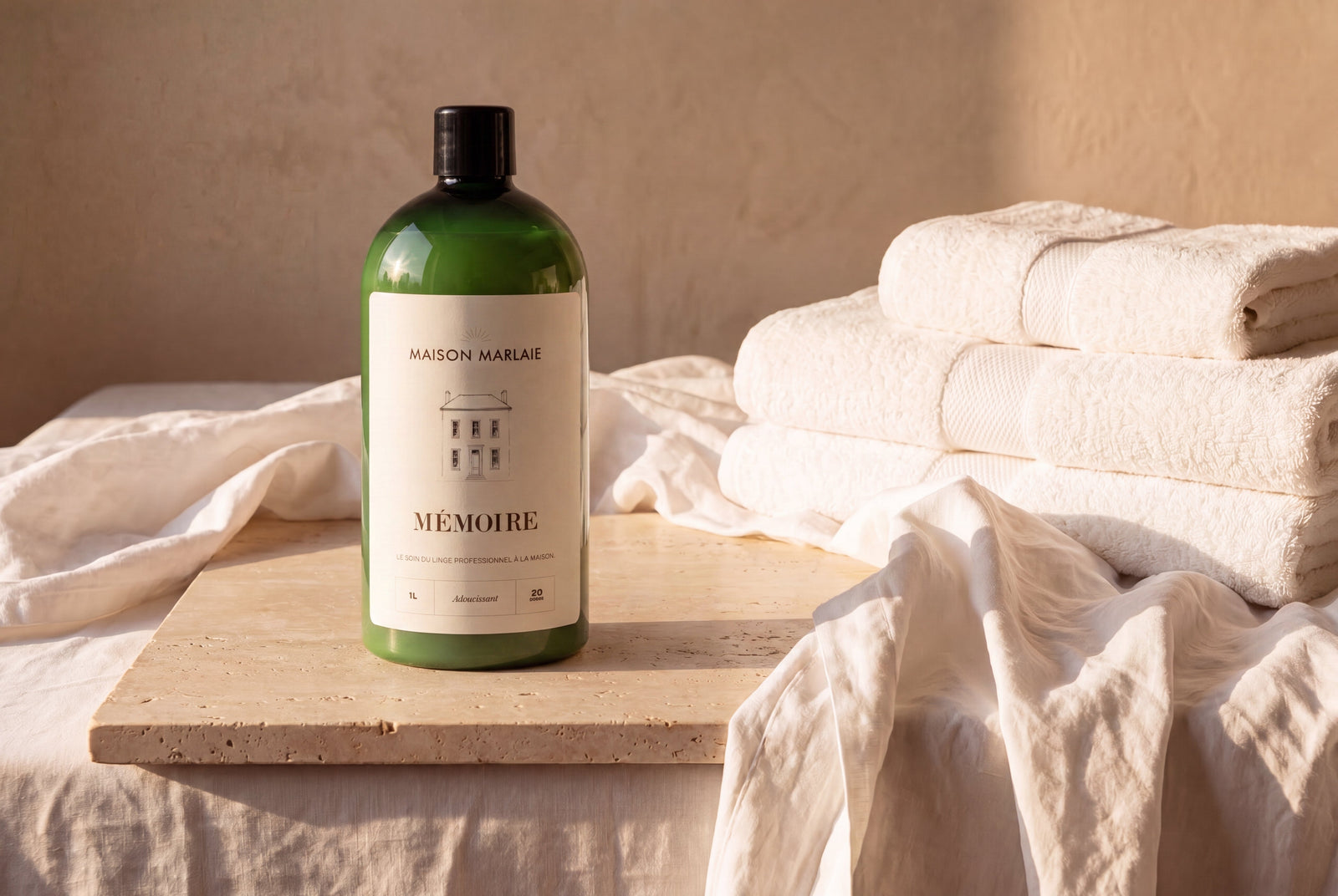
There was a time, in France, when linen was a heritage. It was woven, marked, counted, handed down. A woman who married brought her trousseau; a great house kept account of its sheets as others do of their cellar.
Then came the post-war years, the washing machine in every home, standardised powder detergents. An immense saving of time. A quiet loss of almost an entire vocabulary of gestures.
These gestures are not lost, they survive in the laundry houses of great homes, in the linen rooms of palaces, in a few fine laundries that still wash antique trousseaux.
The washhouse, the first laboratory
Before it was a machine, laundry was a day's work. Women gathered at the washhouse, in a shared building built over a spring. The water was heated in coppers, wood ash served as detergent, this was called the “bue”, and the linen went through three stages, sometimes four.
What strikes you, reading the ethnographic books of the 19th century, is the precision of the protocol. Each piece had its soaking time, each fibre its temperature, each stain its remedy. And above all: each piece of linen was recognised, named, identified with its house by red-thread embroidery.
The great hotel laundries, keepers of the knowledge
In Paris, Cannes and Biarritz, in the Belle Époque, the grand palaces entrusted their linen to no one. They built, in the basement, their own laundry, sometimes vast, with its washers, its spin extractors, its ironing tables and its teams. The linen of the Ritz, the Crillon, the Carlton was treated as a full member of the service.
These laundry services still exist. They operate with their own vocabulary (the “pre-brushing”, the “gentle whitening”, the “press ironing”), precise gestures, and a culture of detail that teams pass on through mentorship rather than manuals.
What French laundering teaches, even today
Several principles of French professional laundering can be brought home: strict sorting, prior soaking, generous rinsing, air drying. No professional laundry sends delicate linen to the tumble dryer, skimps on rinsing, or mixes white with colours.
The olfactive signature, a forgotten element
In great houses, linen carried a scent. Not an aggressive fragrance, a signature. Beeswax, lavender, white wood, a hint of iris. It was found again in the wardrobes, between the piles, and even in the shirts.
This is doubtless one of the reasons why, today, we are rediscovering perfumery applied to linen.
A heritage to revive
Doing your linen as in the past does not mean giving up modern comfort, no one wants to return to the washhouse. It is about reclaiming what made the quality of French laundering: attention to detail, sorting, the right dose, respectful drying, a chosen olfactive signature.
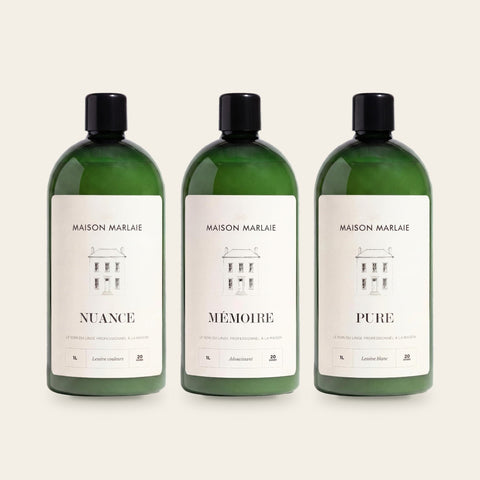
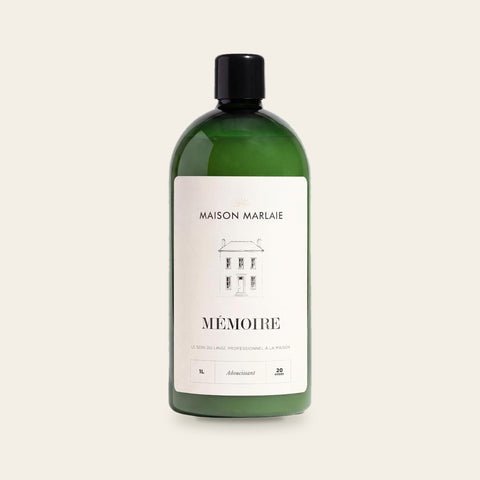
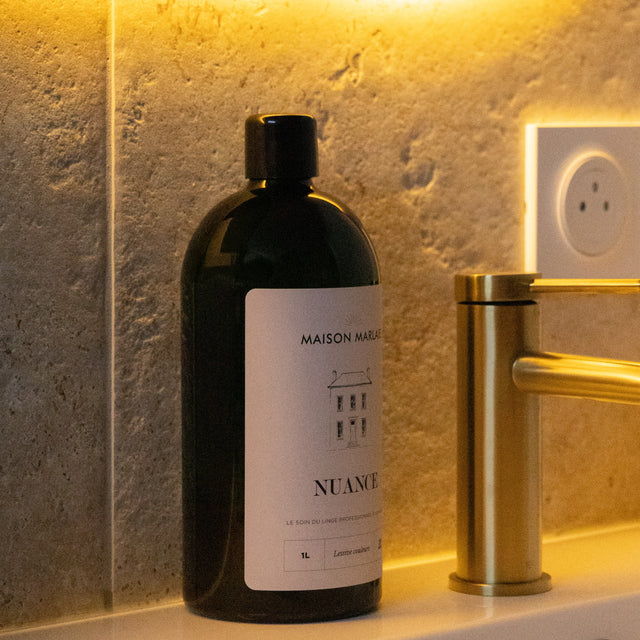
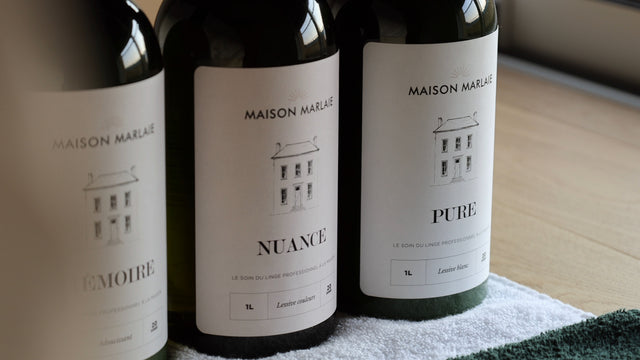
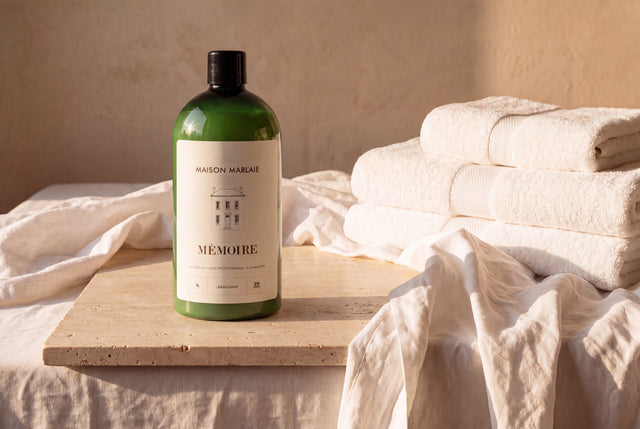
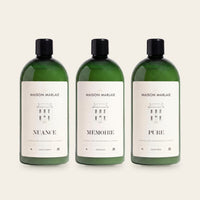
At Maison Marlaie, this is the logic we have taken up to conceive our three detergents. Not a break with modernity, a prolongation of a gesture.
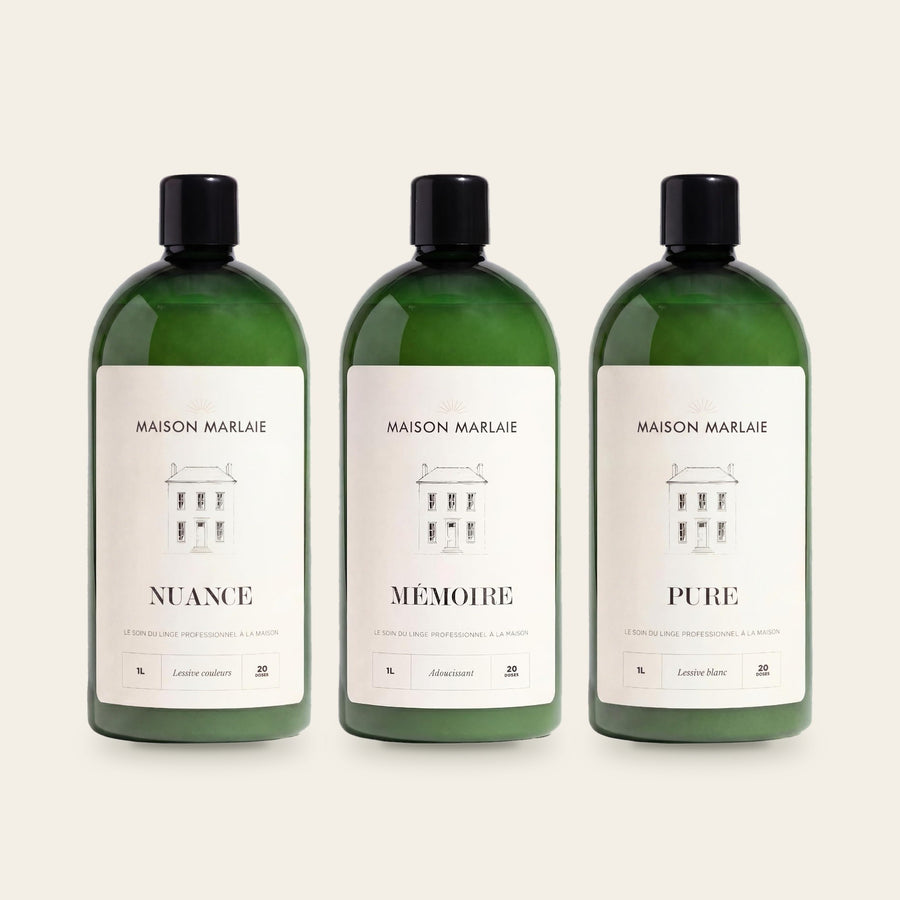
The complete ritual
L'Essentiel
The complete linen ritual, in a single order.
€55Shipping included
Shipped by the next day, delivered in 24 to 48 hours · Free returns within 30 days